Outdoor and structural surfaces are constantly exposed to environmental stress. Dust, organic growth, airborne pollutants, and moisture gradually settle into pores and textures, dulling appearance and accelerating wear. Over time, this buildup can make even well-constructed areas look neglected. When carried out correctly, professional surface restoration methods remove accumulated grime while preserving material integrity. In areas where climate and exposure accelerate buildup, services such as pressure cleaning north brisbane have become an essential part of responsible property upkeep rather than a cosmetic afterthought.
Understanding Surface Contamination
Surface contamination rarely occurs evenly. Driveways collect oil residue, pathways develop organic growth, and exterior walls trap airborne particles carried by wind and rain. These layers bind to materials over time, creating stubborn stains that ordinary rinsing cannot resolve.
The key challenge lies in removal without abrasion. Many surfaces—concrete, stone, render, timber, and coated finishes—are durable but not indestructible. Aggressive methods can cause etching, fibre breakdown, or premature ageing if applied without care.
Common sources of surface buildup include:
• Oil and grease residue on driveways
• Algae and moss growth on shaded paths
• Airborne pollutants on exterior walls
• Moisture stains and mineral deposits
• Dust embedded in textured finishes
Controlled Water Force and Material Awareness
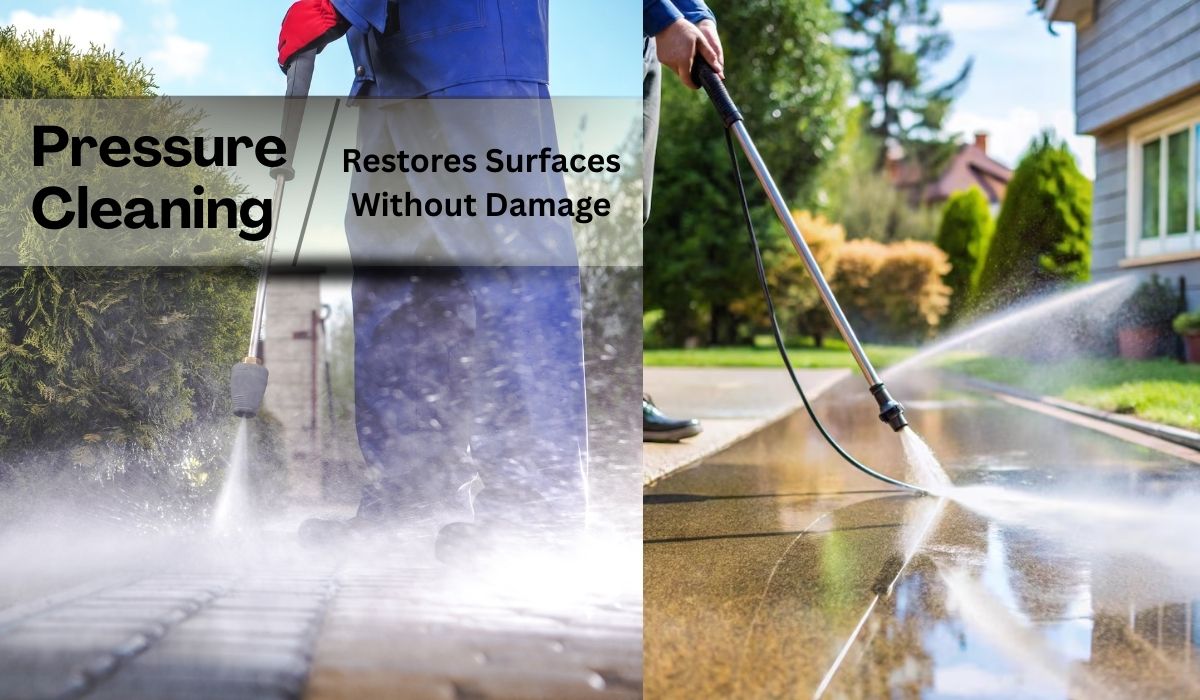
Effective restoration relies on understanding both the surface and the method applied. Water delivered at controlled force loosens and lifts contaminants rather than stripping material layers.
Professionals adjust output levels according to surface density and condition. Softer materials require lower force and wider spray angles, while harder substrates tolerate more concentrated flow. This calibration ensures that the cleaning process targets buildup, not the surface itself.
The Role of Technique Over Force
Contrary to popular belief, effectiveness is not determined by intensity alone. Angle of application, distance from the surface, and movement pattern all influence outcomes.
Consistent sweeping motions prevent uneven wear. Proper standoff distance allows water energy to disperse appropriately before contact. These technical considerations protect surfaces while delivering uniform results.
Key technical considerations include:
• Correct nozzle selection
• Appropriate spray angle
• Controlled distance from the surface
• Even movement patterns
• Surface-specific pressure adjustment
Removing Organic Growth Safely
Algae, moss, and mildew are common in humid or shaded environments. Left untreated, they retain moisture and contribute to long-term surface degradation.
Safe removal involves loosening growth at its base rather than tearing it away aggressively. This approach reduces regrowth potential while preserving the underlying substrate. In many cases, environmentally considerate detergents are used to assist breakdown before rinsing.
Restoring Exterior Walls and Facades
Walls accumulate contaminants differently from horizontal surfaces. Wind-driven particles adhere to textured finishes, and moisture streaking can develop over time.
In such cases, house washing brisbane north practices focus on gentle application combined with appropriate dwell time. This allows buildup to soften before removal, reducing the need for excessive force and protecting coatings or finishes.
Preserving Protective Coatings and Finishes
Many surfaces are sealed, painted, or treated to enhance longevity. Improper cleaning can strip these layers, exposing materials to accelerated wear.
Professional methods respect these protective barriers. By selecting suitable techniques, coatings remain intact, extending their service life and reducing long-term maintenance costs.
Improving Safety Alongside Appearance
Surface buildup is not merely aesthetic. Slippery pathways, driveways, and entry areas increase the risk of accidents, particularly in wet conditions.
Restoration improves traction by removing biofilm and residue. This functional benefit is often overlooked but plays a critical role in maintaining safe environments around homes and commercial properties.
Safety improvements include:
• Increased surface grip
• Reduced slip hazards
• Clearer visibility of pathways
• Removal of hazardous residue
• Safer entry points during rain
Preparing Surfaces for Maintenance or Treatment
Clean surfaces respond better to subsequent treatments. Whether preparing for sealing, painting, or repair, proper restoration ensures adhesion and consistency.
Removing embedded grime reveals the true condition of the surface, allowing issues such as cracks or wear to be identified early. This proactive insight supports more effective long-term maintenance planning.
Environmental Considerations in Modern Practice
Responsible surface restoration considers environmental impact. Water efficiency, biodegradable solutions, and controlled runoff management reduce harm to surrounding landscapes.
Professional operators are trained to manage flow direction and containment, preventing contaminants from entering drainage systems or garden areas unnecessarily.
Avoiding Damage From Inexperience
Improper handling remains one of the most common causes of surface damage. Excessive force, incorrect nozzle selection, or prolonged focus on one area can result in visible marks or material loss.
This is why reliance on casual solutions or unregulated equipment often leads to costly repairs. Awareness of limitations is as important as capability.
Equipment Selection and Appropriate Use
Different surfaces require different tools. Machines vary in output capacity, flow rate, and adjustability. Selecting equipment without understanding these variables introduces risk.
In some contexts, individuals consider pressure washer hire brisbane as a solution. While equipment access is convenient, effectiveness still depends on operator knowledge and technique. Without proper understanding, even high-quality equipment can cause unintended harm.
Longevity Through Preventive Care
Regular restoration reduces the need for aggressive intervention. When buildup is addressed early, surfaces maintain their appearance and integrity with less effort.
This preventive approach extends material lifespan, lowers repair costs, and preserves property value over time.
Enhancing Visual Consistency Across Properties
Uniformly clean surfaces create cohesion. Driveways, walls, fences, and outdoor features appear intentional and well cared for when restored consistently.
This visual clarity enhances first impressions, whether for private residences, commercial premises, or shared spaces.
Supporting Property Value and Presentation
Clean, well-maintained exteriors influence perception. They signal care, responsibility, and attention to detail.
For property owners, this translates into stronger curb appeal and sustained asset value. Restoration becomes an investment rather than an expense.
Professional Insight and Risk Management
Experienced operators understand how materials respond under different conditions. They recognise early signs of vulnerability and adjust methods accordingly.
This expertise minimises risk while maximising results, ensuring restoration achieves its purpose without compromise.
Conclusion
Surface restoration is most effective when precision guides the process. Controlled water application, informed technique, and material awareness work together to remove buildup while preserving structural integrity. When approached responsibly, this method restores appearance, improves safety, and supports long-term durability. For properties seeking dependable results without unnecessary wear, pressure cleaning brisbane north remains a practical solution—one delivered with care and expertise by GB Maintenance.