
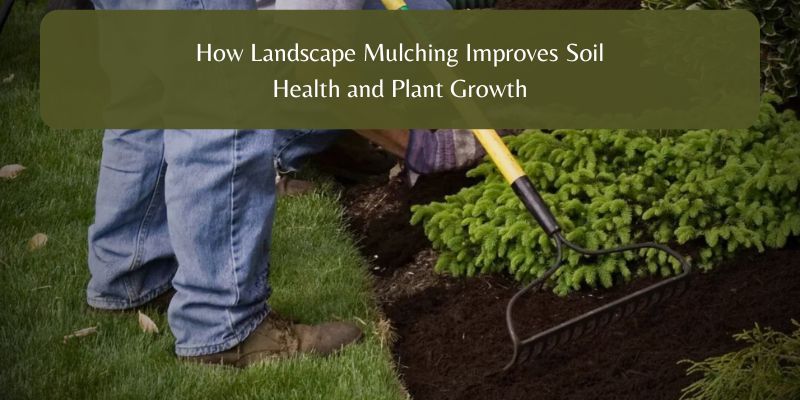
Healthy landscapes rarely happen by accident. Behind thriving gardens, resilient lawns and well-established plants lies careful soil management. One of the most effective yet often underestimated practices is mulching. When applied thoughtfully, landscape mulching services do far more than improve appearance—they actively shape soil conditions, protect plant roots and support long-term growth.
Mulching works quietly. It moderates temperature, manages moisture and improves soil structure over time. Rather than acting as a quick fix, it supports natural processes that allow plants to grow stronger, healthier and more resilient across seasons.
Understanding Mulching as a Soil-Focused Practice
At its core, mulching involves placing organic or inorganic material over the soil surface. While it may appear simple, its impact on soil ecosystems is significant.
By covering exposed ground, mulch creates a protective layer that mirrors natural forest floors, where fallen leaves and organic matter enrich soil continuously.
Moisture Retention and Water Efficiency
One of the most immediate benefits of mulching is moisture control. Bare soil loses water rapidly through evaporation, especially in warm or windy conditions.
Mulch reduces this loss by shielding soil from direct sun exposure, allowing moisture to remain available to plant roots for longer periods. This efficiency reduces watering frequency and supports consistent hydration.
Temperature Regulation for Root Stability
Soil temperature fluctuations can stress plant roots. Mulch acts as insulation, keeping soil cooler during hot periods and warmer during cooler nights.
Stable temperatures encourage steady root development, which directly supports plant strength and nutrient uptake.
Organic Matter and Soil Improvement
How Mulch Enhances Soil Structure
- Gradual breakdown adds nutrients
- Encourages beneficial microorganisms
- Improves soil aeration
- Enhances water infiltration
- Reduces compaction
- Supports long-term fertility
Supporting Microbial Activity
Healthy soil depends on microscopic life. Organic mulches provide food for bacteria, fungi and earthworms that contribute to nutrient cycling.
As mulch decomposes, it fuels these organisms, improving soil vitality and structure naturally.
Weed Suppression Without Chemicals
Weeds compete with plants for water, nutrients and light. Mulch limits weed growth by blocking sunlight at the soil surface.
This physical barrier reduces reliance on chemical controls and simplifies ongoing landscape maintenance.
Protecting Soil From Erosion
Rain and irrigation can displace exposed soil, particularly on slopes. Mulch absorbs impact and slows water movement, reducing erosion.
This protection preserves soil integrity and prevents nutrient loss.
Tree Health and Mulching
Trees benefit significantly from mulch applied around their base. Proper application protects surface roots, retains moisture and improves soil conditions.
Many property owners rely on tree mulching brisbane practices to maintain tree health while reducing stress caused by urban conditions.
Preventing Soil Compaction
Foot traffic and equipment compress soil, limiting air and water movement. Mulch absorbs impact and reduces direct pressure on soil.
Less compaction supports healthier root systems and better drainage.
Visual Structure and Landscape Cohesion
Beyond soil benefits, mulch contributes to visual order. Defined beds, even coverage and consistent texture enhance landscape design.
This cohesion supports both aesthetic and functional outcomes.
Seasonal Benefits Across the Year
Mulch adapts to seasonal changes. In warmer months, it reduces heat stress and moisture loss. In cooler periods, it buffers soil against temperature drops.
This year-round support promotes consistent growth cycles.
Nutrient Retention and Reduced Leaching
Rain can wash nutrients deep into soil layers beyond root reach. Mulch slows water movement, allowing nutrients to remain accessible.
This retention supports healthier plant development.
Supporting New Plant Establishment
Young plants are particularly vulnerable to moisture loss and temperature extremes. Mulch creates a stable environment during establishment.
This stability increases survival rates and early growth success.
Sustainable Landscape Management
Mulching aligns with sustainable landscaping principles. Organic materials often reuse green waste, returning nutrients to the soil.
This closed-loop approach reduces waste while enhancing soil quality.
Inorganic Mulch Considerations
While organic options improve soil over time, inorganic materials offer long-term coverage in specific applications.
Choosing the right type depends on landscape goals, plant selection and maintenance preferences.
Correct Application Matters
Mulch depth and placement influence effectiveness. Excessive thickness or contact with plant stems can cause issues.
Professional application ensures benefits without unintended consequences.
Mulch and Soil pH Balance
Certain organic materials influence soil pH gradually. Understanding this interaction helps align mulch choice with plant needs.
Balanced pH supports nutrient availability.
Reduced Maintenance Over Time
Mulched landscapes generally require less frequent watering, weeding and soil amendment.
This efficiency saves time while supporting plant health.
Enhancing Urban Landscapes
Urban soils often lack organic content. Mulch compensates by adding structure and improving moisture retention.
These improvements support plant survival in challenging environments.
Lawn Edges and Garden Beds
Defined mulch zones protect lawn edges from encroachment and support plant beds.
Clear separation simplifies maintenance routines.
Mulch as a Long-Term Investment
Soil improvement compounds over time. Each application builds upon the last, strengthening soil structure progressively.
This cumulative benefit supports lasting landscape health.
Supporting Native and Ornamental Plants
Different plant types respond well to improved soil moisture and temperature control.
Mulch supports diverse plant selections.
Environmental Benefits Beyond the Garden
Reduced water use and chemical reliance benefit surrounding ecosystems.
Mulching supports responsible land stewardship.
Choosing the Right Material
Bark, wood chips, compost and other materials each offer distinct benefits.
Selection should align with soil needs and landscape design.
Monitoring and Renewal
Organic mulch breaks down gradually and requires replenishment.
Regular assessment maintains effectiveness.
Integrating Mulching Into Maintenance Plans
Mulching works best as part of an ongoing landscape care strategy rather than a one-time task.
Integration enhances consistency.
The Broader Impact on Plant Growth
Healthy soil supports strong roots, balanced nutrition and resilient plants.
Mulching contributes to each of these outcomes.
Building Healthier Landscapes From the Ground UpLandscape success begins below the surface. By improving moisture balance, soil structure and biological activity, mulching creates conditions where plants can thrive naturally. For property owners seeking reliable mulching services Brisbane, a thoughtful approach ensures both immediate visual improvement and long-term soil health. At GB Maintenance, this practice reflects an understanding that resilient landscapes are built through consistent care, informed techniques and respect for the soil systems that support growth.